When it comes to venison, there's a recipe for everyone, whether you're a fan of bold flavors or prefer something light and simple. Here are some delicious ideas to get you started.
1. Venison TacosThese tacos are a crowd-pleaser. Just season ground venison with your favorite spices, like cumin and chili powder. Cook it up, then stuff it in warm tortillas with fresh toppings like lettuce, cheese, and salsa. It’s quick, tasty, and perfect for taco night!
2. Venison StewWarm up with a hearty venison stew. Just brown chunks of venison in a pot, then add onions, carrots, and potatoes. Pour in some broth, toss in your favorite herbs, and let it simmer until everything is tender. This comforting dish is great for chilly evenings.
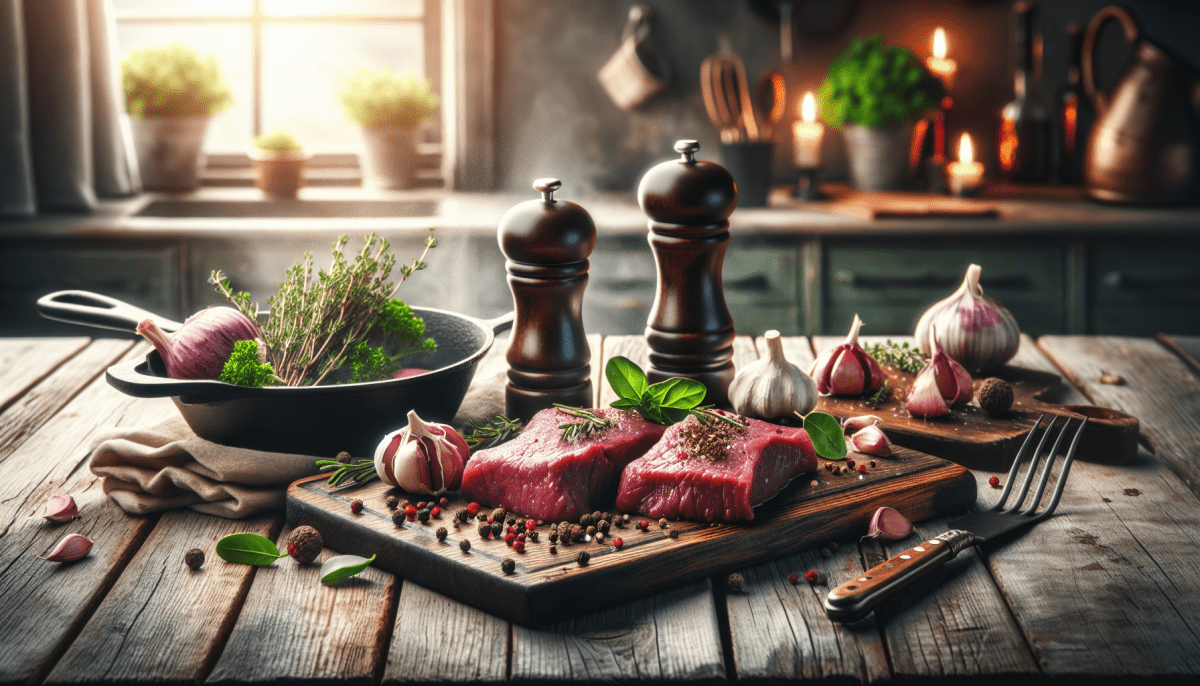
3. Grilled Venison SteaksIf you love grilling, marinated venison steaks are a must-try. Rub them with olive oil, garlic, and herbs, then let them soak up those flavors for a bit. Grill them to your desired doneness, and enjoy a juicy steak that’s packed with flavor.
4. Venison ChiliCooking venison chili is a no-brainer. Combine ground venison with beans, tomatoes, and your favorite chili spices. Let everything simmer until the flavors meld together. Serve it hot with cornbread on the side, and you’ll have a delicious meal that’s sure to impress!
Essential Tools for Venison Cooking
If you’re diving into the world of venison cooking, having the right tools makes all the difference. You don’t need a whole kitchen’s worth of gadgets, but a few essentials will help you create delicious dishes with ease.
First off, a good quality chef’s knife is a must-have. A sharp knife makes prepping your venison a breeze. Look for one that feels comfortable in your hand. You'll want it for slicing, dicing, and trimming meat without a hitch. Pair that with a sturdy cutting board. Go for something that can handle the job without slipping around. Wood or plastic both work well, but choose a food-safe option that you can easily clean.
Next, consider meat thermometer. Cooking venison to the right temperature is key for both flavor and safety. A quick-read thermometer helps you avoid overcooking, which can make the meat tough. Aim for medium-rare at about 130°F to 135°F for the best taste. You’ll thank yourself later when you take that first juicy bite.
Lastly, don’t skip on some quality cookware. Cast iron skillets or heavy-duty pans are perfect for searing and browning venison. They hold heat well and give you that perfect crust. If you’re thinking of slow cooking, a Dutch oven is your best friend. It keeps everything moist and packed with flavor. When you’ve got these tools, you’re set to whip up some seriously tasty venison dishes!
Tips for Perfectly Cooked Venison
Cooking venison can be a real treat when you know a few helpful tips. First off, make sure you start with quality meat. Fresh, clean venison makes all the difference. If you can, try to get it from a trusted source. The flavor comes from the food the deer ate and its age, so keep that in mind.
Marinating is key. It tenderizes the meat and adds flavor. Use a mix of acid (like vinegar or citrus juice), oil, and your favorite herbs and spices. Even a few hours can enhance the taste, but letting it sit overnight works wonders.
When it comes to cooking, don’t overdo it. Venison is lean compared to beef, so it can dry out quickly. Aim for medium-rare to medium doneness. A meat thermometer is a lifesaver here – 130°F to 145°F is ideal. If you’re grilling or pan-searing, sear the outside first to lock in juices.
Rest the meat after cooking. This gives the juices time to redistribute, making each bite tender and flavorful. Just let it sit for about 10 minutes before slicing. Trust me, it’s worth the wait!
Lastly, don't be afraid to experiment with flavors. Venison pairs wonderfully with bold tastes like rosemary, juniper, or a twist of fruit chutney. Mix things up and find your perfect combo!
Storage and Preparation Made Easy
Storing venison properly can make a big difference in taste and texture. If you've just brought home some fresh venison, make sure to keep it in the fridge if you plan to use it within a few days. For longer storage, vacuum-sealing is a game-changer. It keeps the meat fresh and prevents freezer burn. If you don't have a vacuum sealer, wrap the meat tightly in plastic wrap, then place it in a freezer bag.
When it comes to defrosting, shoot for the fridge method. It takes longer, but it's the safest way to keep the meat at a safe temperature. If you're in a hurry, you can use cold water, but remember to change the water every 30 minutes. Avoid the microwave, as it can cook the edges and leave the middle frozen.
Prep time can also be streamlined. Trim any excess fat and silver skin if you want a leaner dish. A sharp knife makes this job easy. Marinating venison can add flavor, so don’t skip this step if you want to elevate your dish. A simple marinade with olive oil, vinegar, garlic, and your favorite herbs works wonders. Let it soak for a few hours or overnight in the fridge for the best results.
When you're ready to cook, make sure to let the meat come to room temperature before it hits the heat. This way, it cooks evenly. Whether you’re grilling, searing, or slow-cooking, the goal is to keep it juicy. Keep an eye on the internal temperature; it should be around 130°F for medium-rare. Use a meat thermometer for accuracy—it’s worth it!